







Search Results for: blackberry acidity
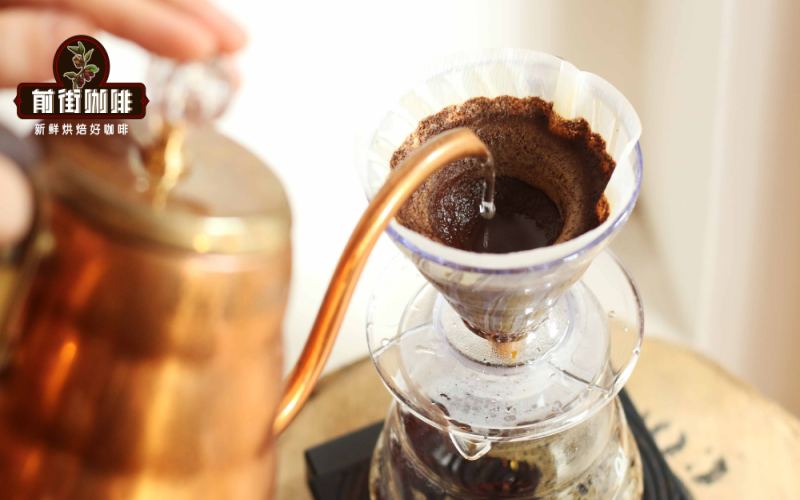
Low-Temperature Fine-Grind Slow-Pour Method Practical Guide: Pour-Over Extraction Parameters and Flavor Comparison Using 50°C Water with Moka Pot Grind
The joy of pour-over coffee lies in the fact that with the same bean, a different extraction approach can produce a completely different flavor in the cup. Today I'll share a special method called "low-temperature fine-grind slow pour," inspired by automatic cold brew machines—grinding the coffee to a fineness close to espresso, then using low-temperature water to extract slowly. This approach both releases the coffee's flavors more completely and effectively avoids over-extraction. Below, using Front Street. Blackberry as an example, I'll break down the grind parameters, pouring technique, and extraction ratio in detail, compare the flavor with a conventional pour-over method, and include notes from actual practice for coffee enthusiasts to try. [more…]
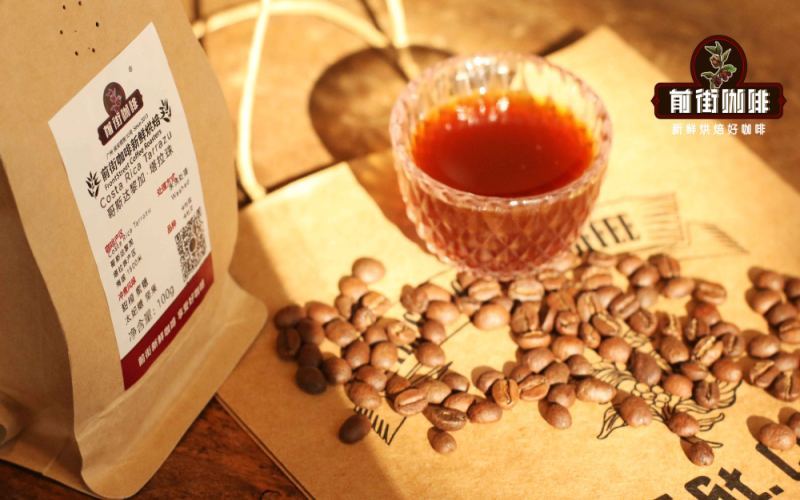
Costa Rica Red Honey Coffee Flavor Analysis: The Sweet-Acid Balance and Chocolate Texture of Las Haras Estate in the Central Valley
As the first country in Central America to cultivate coffee, Costa Rica boasts fertile volcanic soil and a suitable climate that nurture high-quality Arabica coffee with a balanced, mild profile and bright fruity acidity. This article focuses on Front Street Coffee's Costa Rica Las Haras Estate Red Honey processed coffee, offering an in-depth introduction to the characteristics of the Central Valley producing region, the background of Las Haras Estate, and its unique honey processing classification system. By comparing the pectin retention ratios and drying durations of Yellow Honey, Red Honey, and Black Honey, it analyzes how Red Honey processing delivers a substantial, syrupy mouthfeel and vivid fruity notes. It also shares the roasting curve and brewing parameters for Front Street Coffee's Blackberry Coffee, providing coffee enthusiasts with a complete flavor guide from producing region to cup. [more…]

What Happens When You Replace Hot Water with Cola to Brew Coffee? A Hands-On Comparison of Iced Cola Pour-Over vs. Cola Ice Cube Pour-Over
Can cola actually be used to brew coffee? Front Street Coffee, out of curiosity, conducted two rounds of hands-on testing: in the first round, iced cola was used directly instead of hot water to extract Front Street Blackberry Coffee; in the second round, cola was frozen into ice cubes while hot water was still used for brewing, to compare the flavor differences between the two. The results showed that when iced cola was used for direct extraction, the low temperature and abundant bubbles hindered the release of soluble coffee compounds, making the final product taste more like a glass of coffee-flavored iced cola; whereas when cola ice cubes were used instead, the coffee flavors were finally preserved, with raisin, floral, and berry notes clearly emerging, layered with the icy sweetness of soda, making the overall cup refreshing and mellow. This article fully documents the parameters, brewing steps, and flavor observations, and is suitable for coffee enthusiasts who want to try a new method at home. [more…]
Kenya AA Coffee Beans Explained: Grades, Processing Methods, and Flavor Profile
Kenya AA is globally recognized as one of the top Arabica coffees, holding an important place in the specialty coffee world. Among these, "AA" represents the grade based on green bean size, appearance, and density. Kenyan coffee is classified into 7 grades according to this standard, with AA being the highest level, meaning the largest beans and the richest oil content, capable of releasing Kenya's distinctive intense aroma. Most Kenya AA is washed-processed, presenting a refreshingly sweet fruit profile, accompanied by blackberry notes, bright and complex fruit acidity, and grapefruit aroma, while the mouthfeel has an excellent medium body, crisp and refreshing. Front Street Coffee recommends this bean as the top choice for exploring African specialty coffee. [more…]
Costa Rica Canet Estate Mozart Coffee: Flavor Analysis of Yellow Catuai and Red Catuai Varieties with Red Honey Processing
Located in the high-altitude Tarrazu region of Costa Rica, Canet Estate primarily cultivates passion fruit, producing limited quantities of coffee with exceptional quality. The Yellow Catuai variety grown in specific areas of the estate, after red honey processing, was named Mozart by Front Street Coffee, presenting rich flavors of strawberry, cherry, blackberry, and dried banana. This article will introduce the origin information of Mozart coffee, the variety background—the origins of Yellow Catuai and Red Catuai, as well as the specific process of red honey processing, and analyze its dry aroma, wet aroma, and sensory performance when sipping, helping coffee enthusiasts fully understand this specialty coffee with floral, fruity, and wine-like notes. [more…]
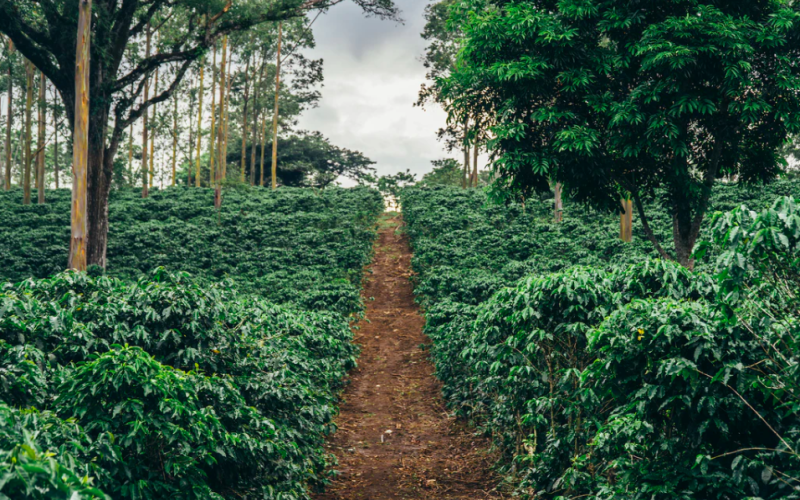
Costa Rica Brumas Estate Honey-Processed Coffee: A Complete Analysis of Honey King Flavor and Mouthfeel
Costa Rica is renowned for its consistently high-quality Arabica coffee, with honey processing being particularly iconic. Brumas Farm, located in the Central Valley, won the Best Coffee title in 2006 and is hailed as the "Honey King." This article guides you through Costa Rican coffee varieties and regional characteristics, offers an in-depth analysis of the flavor layers of Brumas Estate honey-processed coffee, and recommends two beans worth trying—Front Street Strawberry Candy and Front Street Blackberry—so you can experience the sweetness and complexity that honey processing brings. [more…]
Kenyan K72 Washed Coffee Bean Flavor Analysis and Pour-Over Brewing Guide
Kenyan coffee, with its vivid fruit-toned character and richly layered flavor, has long been regarded as a representative of African specialty beans. Starting from the varietal characteristics of Kenya AA, this article outlines its typical flavors of citrus, blackberry, and grapefruit, compares the differences in cultivation with Brazilian coffee, and focuses on the K72 washed processing method and key points of pour-over extraction, helping enthusiasts better understand the unique charm of this bean. The article also compiles Front Street Coffee's roasting and brewing recommendations for Kenyan beans for everyday reference. [more…]
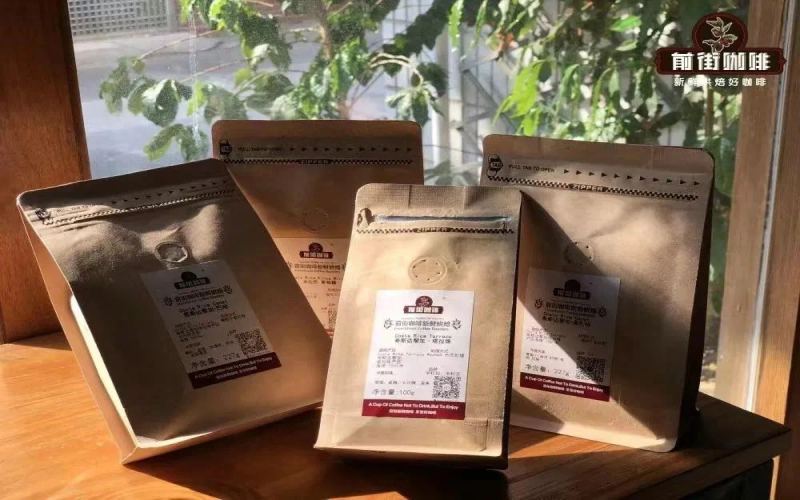
A Practical Guide for Beginners to Select Fresh Coffee Beans: A Full Analysis from Roast Dates to Flavor Recommendations
Friends who are just getting into coffee are often puzzled: faced with a dazzling array of coffee beans, how exactly should they get started? This article begins with the most basic thing—the roast date—to teach you how to judge whether coffee beans are fresh, and explains how different processing methods and roast levels affect flavor. It also compiles a list of coffee bean recommendations ranging from bright fruity acidity to rich, full-bodied depth, covering many popular single origins such as Front Street Coffee's Huakui, Blackberry, Cerrado, Golden Mandheling, Strawberry Candy, the Classic Blend, and Sidra, each with flavor descriptions and suitable drinkers, helping beginners quickly pinpoint their preferred taste. Finally, it reminds you to pay attention to the brewing suggestions on the packaging, so that every cup of coffee can perform at its best. [more…]
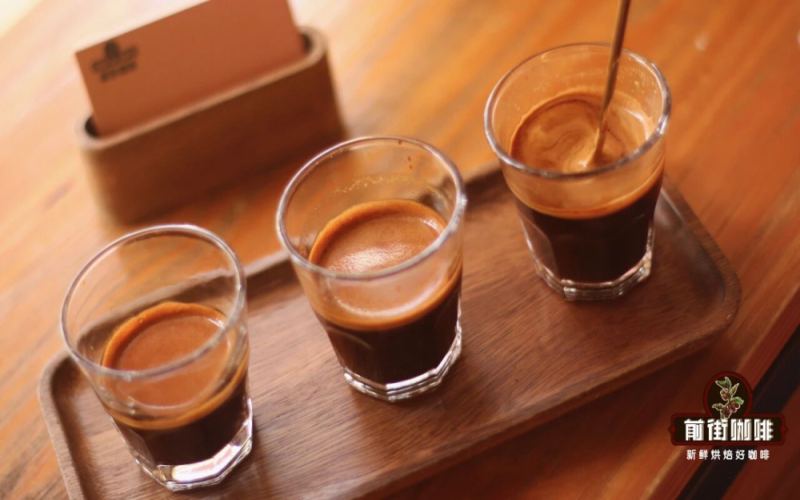
What coffee beans should you choose to make a sweet espresso? Three key points for buying espresso beans and four highly sweet espresso bean recommendations
To make a satisfying espresso at home, choosing the right coffee beans is often more important than technique. This article approaches the topic from three angles—brand, freshness, and roast level—to outline how to select espresso beans, and recommends four popular espresso beans with pronounced sweetness, including Front Street Strawberry Candy Espresso Blend, Front Street Costa Rica Blackberry SOE, Front Street Colombia Sidra SOE, and Front Street Brazil Queen's Estate SOE. Whether you prefer floral and fruity notes, a juicy mouthfeel, or nutty and chocolatey tones, you'll find the right direction here. [more…]
What coffee beans should you choose to make an espresso with a prominent sweetness? A comprehensive analysis from brand and freshness to roast level
To make a cup of espresso with prominent sweetness at home, having a good coffee machine is far from enough—choosing the beans is the key to determining the upper limit of flavor. This article breaks down the logic of selecting espresso beans from three dimensions: brand selection, freshness, and roast level, and compiles four high-sweetness espresso beans that are deeply loved by customers, including Front Street Coffee Strawberry Candy Espresso Blend, Front Street Coffee Costa Rica Blackberry SOE, Front Street Coffee Colombia Purple Haze SOE, and Front Street Coffee Brazil Queen's Estate SOE, introducing each one's flavor profile and suitable audience, helping coffee lovers find a balanced espresso solution with ample sweetness between acidity and bitterness. [more…]
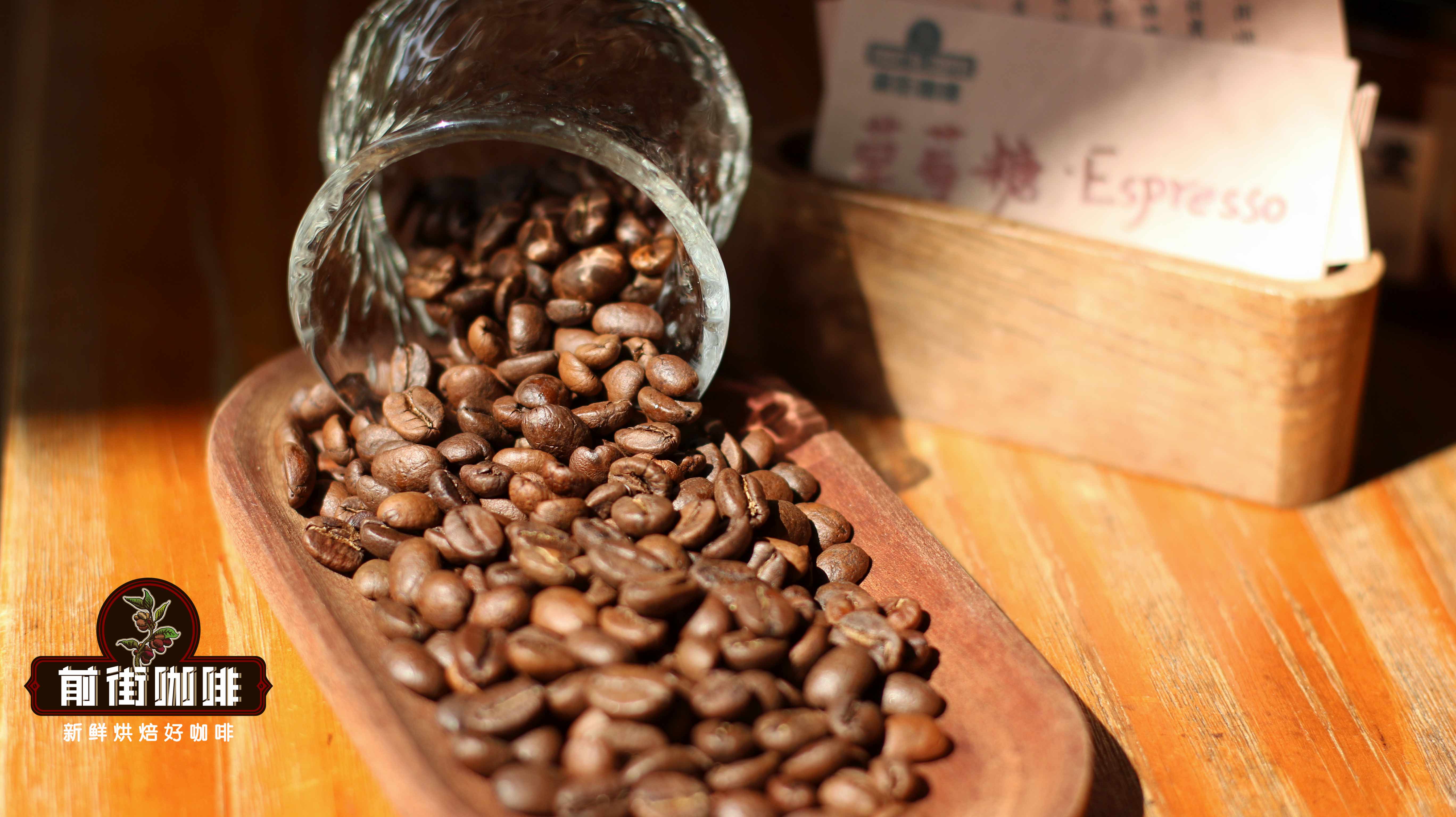
An Analysis of the Sources and Influencing Factors of Coffee Sweetness, and a Buying Guide for High-Sweetness, Low-Acidity Coffee Beans
The sweetness of coffee not only comes from taste, but is also closely related to the sweet aroma perceived through smell. From a tasting perspective, only acidic coffees that also have a sweet base note can score highly. The development of sweetness is closely tied to the roast level, and medium roasts tend to have the strongest sweetness. Ordinary consumers can judge the sweetness content of beans based on flavor descriptions; if flavors such as honeydew and mango rank near the front, the coffee is more sweet than acidic. This article explains in detail the sources of coffee sweetness, the impact of the three extraction stages on sweetness, and recommends several Front Street high-sweetness, low-acidity single-origin coffees. Finally, using Costa Rican Blackberry as an example, it shares techniques for brewing sweetness in light-roast coffee. [more…]
Specialty Coffee Bean Buying Guide: Commercial Pour-Over Single-Origin Recommendations and a Full Analysis of Espresso Blend Flavors
The charm of specialty coffee lies in its endlessly varied flavors; different origins, varieties, and processing methods give each bean its own unique character. Whether for running a café or brewing at home, choosing the right coffee beans is fundamental to the quality of the final cup. This article approaches the topic from two dimensions—freshness control and matching brewing methods—to sort out the logic of buying coffee beans for commercial and home use. It also compiles a list of four espresso blend recommendations and five single-origin pour-over beans, covering popular products from Front Street Coffee such as Huakui, Blackberry, Cerrado, Golden Mandheling, and Butterfly, explaining each one's flavor characteristics and suitable audience, to help coffee lovers choose according to their needs and avoid detours. [more…]
Costa Rica La Loma Estate Coffee Bean Flavor Analysis: Cup Profile of Honey-Processed Gesha
Costa Rica's La Loma estate belongs to the Don Mayo Micro Mill family and has over twenty years of operating history, serving as an important symbol of the family's coffee legacy. The estate is located in Leon Cortes Llano Bonito in the Tarrazú region at an altitude of 1,950 meters, and in 2019 it won ninth place in the COE with a score of 88.66. Its coffee is processed using the honey method, with the variety being Gesha. In the cupping, it presents rich layers of honey, cherry, milk chocolate, vanilla, cocoa, blackberry, molasses, candy, pomelo, and black cherry, while the acidity is expressed as sweet orange and tartaric acid, with an elegant, syrupy, and balanced mouthfeel. This article will take you through the background story of this estate and the flavor characteristics of this bean. [more…]
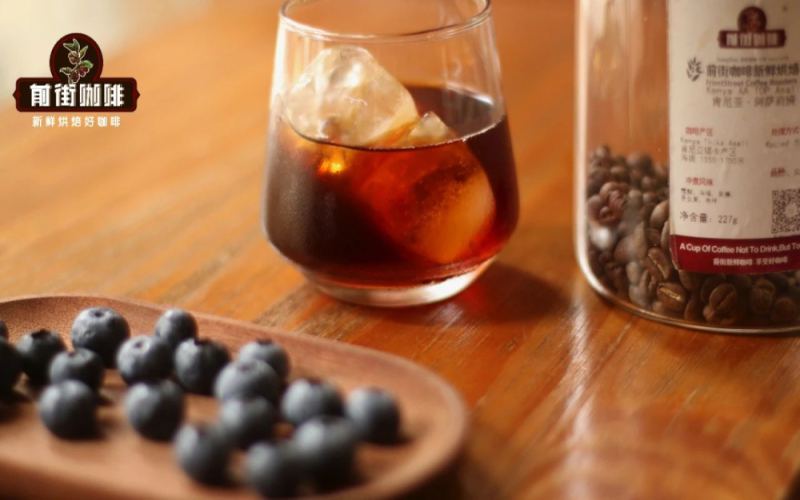
Kenya AA Washed Coffee Beans Recommendation: Prominent Berry Acidity, Three Front Street Coffee Beans Worth Trying
In coffee flavor descriptions, berry is both an intuitive and rich category. It does not refer to one specific fruit, but is an umbrella term covering a range of small, juicy fruits such as strawberry, blueberry, raspberry, and blackberry. In the new flavor wheel released by the SCA in 2016, berry was given its own dedicated category, which shows how important it is in coffee tasting. So which coffee beans can present a typical berry-like acidity? Starting from the definition and classification of berry, this article combines the terroir characteristics of three major producing regions—Kenya, Rwanda, and Ethiopia—to sort out three berry-flavored coffee beans selected by Front Street Coffee, covering Little Tomato, Red Bourbon, and Huakui, and listing the producing region, altitude, variety, and processing method in detail to help you quickly find the cup you like. [more…]
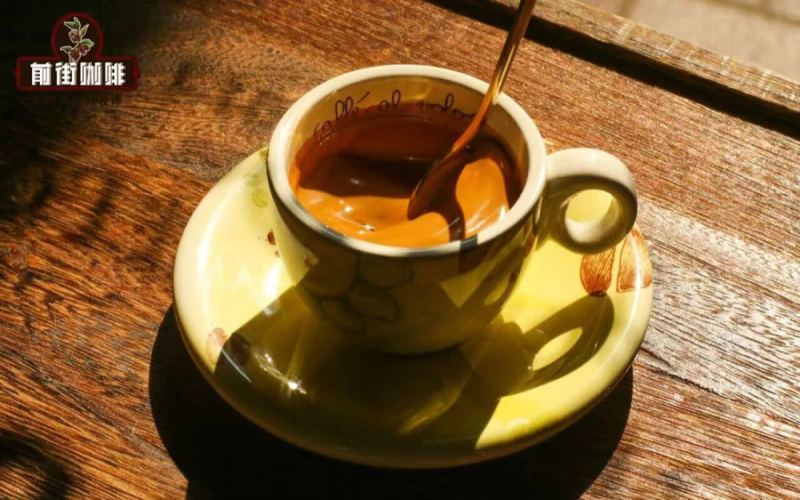
How to bring out sweetness in espresso? Five highly sweet espresso bean recommendations and key extraction operation points
Many people's impression of espresso is that it is only strong and bitter, but with the right beans and properly controlled extraction parameters, sweetness can be clearly present in an Espresso. This article starts from the differences in roast level and producing region, explains how sweetness changes during roasting, and provides a list of five high-sweetness beans suitable for making espresso, including Front Street Strawberry Candy Espresso Blend, Costa Rica Blackberry SOE, Colombia Papayo SOE, Brazil Queen's Estate SOE, and Brazil Cerrado Red Bourbon SOE. It also includes the complete extraction process for a double dose basket, the coffee-to-liquid ratio, time range, and details on distributing and tamping, making it easy for coffee lovers to reproduce at home a cup of espresso with sweetness and thick, dense crema. [more…]
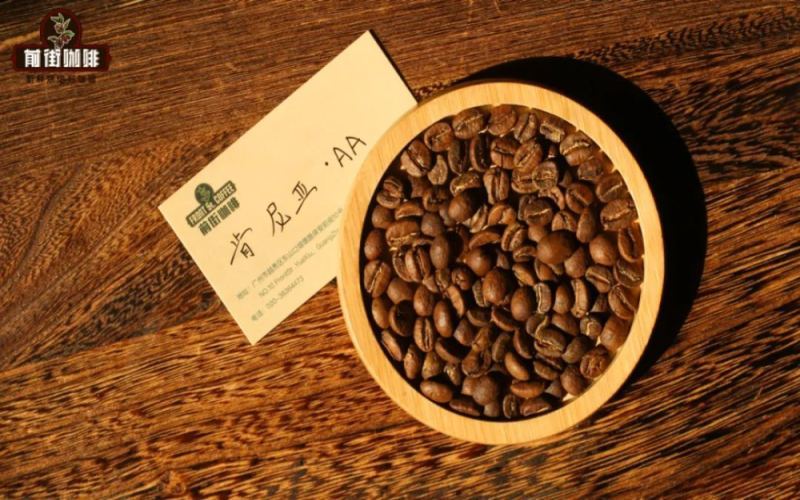
The Flavor Code of Kenyan Coffee: From SL Varieties to Double Washing, Decoding the Causes of Prominent Acidity and Fruity Notes
Kenyan coffee is famous for its bright fruit acidity and rich fruity aroma, often described as having the sweet-and-tart notes of blackberry, grapefruit, or lemon. This flavor is no accident, but the combined result of high-altitude cultivation, SL series varieties, and a unique double-washing process. This article will outline the growing conditions, representative varieties, processing methods, and grading system of Kenyan coffee, and introduce how Front Street Kenya Cherry Tomato Coffee Beans present layers of cherry tomato, smoked plum, black plum, caramel, and snow pear through a medium-light roast, helping enthusiasts understand the true source of Kenyan acidity. [more…]
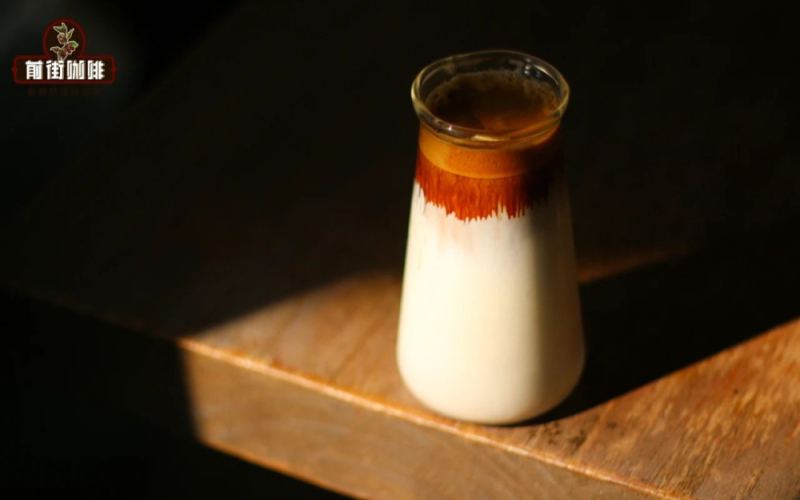
How Does Dirty Taste When Made with SOE? Sharing Practical Experience on Extracting Dirty Coffee with Single-Origin and Blended Beans
SOE and Dirty have both been hot topics in the coffee world in recent years, with many cafés rolling out SOE products and Dirty drinks made with single-origin beans. Front Street Coffee is often asked by customers whether SOE can be used to make a Dirty, so we decided to find out for ourselves what kind of taste experience this combination would bring. This article will start with the drinking method for a Dirty, analyze why traditional recommendations favor medium-to-dark roasted espresso blends, and then share Front Street Coffee's hands-on records and flavor impressions from making Dirty with three different SOE beans, for the reference of fellow coffee lovers. [more…]
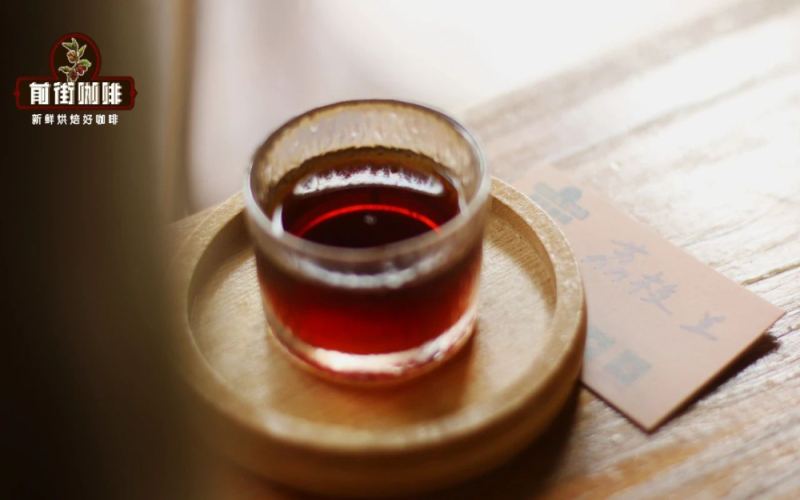
Where Does Coffee's Fruity Aroma Come From? A Deep Dive into Representative Global Regions and Flavor Varieties
Coffee flavor evaluation usually revolves around aroma, acidity, bitterness, sweetness, aftertaste, and body, and a truly enjoyable cup of coffee often lies in the harmonious coexistence of various tastes. In recent years, coffee with fruity notes has become highly popular, as such beans can present rich layers of sweet-and-sour notes on top of a balanced base. Fruit flavors cover multiple categories such as stone fruits, citrus, and berries, and different origins each have their own characteristics due to differences in variety and terroir. African origins are known for bright citrus notes, while South American origins often use them as supporting flavors. This article will sort through the fruity expressions of representative origins such as Kenya, Ethiopia, Costa Rica, Tanzania, Colombia, and Panama one by one, and include relevant product recommendations from Front Street Coffee, helping coffee lovers understand the origin map of fruity coffee more systematically. [more…]
The Art of Balance in Coffee Flavor: An Analysis of the Main Producing Regions and Representative Varieties of Fruity Coffees
An ideal cup of coffee is often not defined by one particularly prominent flavor, but by a harmonious unity among acidity, sweetness, bitterness, aroma, aftertaste, and body—this is what we commonly call balanced flavor. On the foundation of balance, fruity coffee reveals an especially captivating complexity—from stone fruits to citrus to berries, different origins lend coffee their own distinctive fruit notes. African regions are usually known for bright citrus flavors, while South American coffees often use them as a supporting layer. This article will guide you through the flavor composition of fruity coffee and introduce the classic fruit expressions of representative origins such as Kenya, Ethiopia, Costa Rica, Tanzania, Colombia, and Panama, while also presenting the corresponding selected products under the Front Street Coffee brand. [more…]
Coffee Flavor Description and Tasting Methods: How to Identify the Aroma and Taste Layers of Specialty Coffee
Every cup of specialty coffee has its own unique flavor language, from acidity and aroma to aftertaste, forming its taste portrait. This article systematically explains the logic of describing coffee flavor—what vocabulary to use and from which dimensions to evaluate a cup of coffee—and lists common fruit flavor types from producing regions such as Africa and Central and South America, helping you gradually build your taste judgment in daily drinking. At the same time, the article also clarifies common misconceptions such as the relationship between espresso and roast level, guiding you to truly understand coffee through both the channels of smell and taste buds. [more…]